Keloid Injections
Intralesional steroid and 5-FU injections to flatten, soften and stop the growth of keloids.
A keloid is a scar that keeps growing beyond the boundary of the original injury, producing a raised, firm, often itchy or painful lump. Keloids are most common on the earlobes, chest, shoulders, upper back and jawline, and they are far more common in patients of African, Asian and Hispanic descent. They do not go away on their own, and cutting them out without additional treatment usually brings them back larger. Injections are the first-line treatment, and Dr. Darvish has treated keloids in Los Angeles since 2005.
How keloid injections work
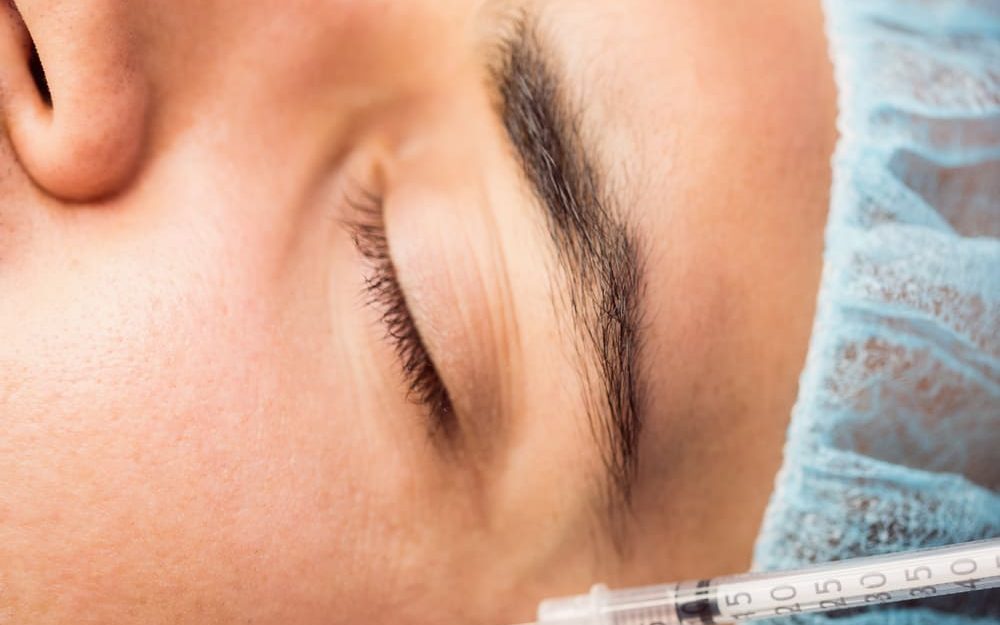
The primary medication is a corticosteroid, triamcinolone (Kenalog), injected directly into the keloid. It reduces inflammation, suppresses the overactive collagen production that drives the keloid, and breaks down existing collagen bundles so the scar softens and flattens. For stubborn or very firm keloids, Dr. Darvish combines or alternates the steroid with 5-fluorouracil (5-FU), a medication that slows the fibroblasts that build scar tissue; the combination is more effective than steroid alone and reduces the risk of steroid side effects. Injections are repeated every four to six weeks until the keloid is flat and symptoms have resolved.
What to expect
Before. An examination to confirm the lesion is a keloid rather than a hypertrophic scar, cyst or other growth, and a plan for the number of sessions.
During. The keloid may be numbed with a topical or a small amount of local anesthetic. Firm keloids require pressure to inject, which can be uncomfortable for a few seconds. Most sessions take five to fifteen minutes.
After. No downtime. The area may be sore for a day or two. Softening is usually noticeable within two to four weeks and the keloid flattens progressively with each session.
Combination treatment
- Cryotherapy. Freezing the keloid immediately before injection softens it so the medication distributes more evenly. Used with care on darker skin to avoid pigment loss.
- Laser. Vascular laser reduces redness and itch; radiofrequency microneedling or fractional laser improves texture once the keloid is flat.
- Surgical excision plus injection. For large earlobe keloids, Dr. Darvish removes the keloid and begins injections immediately, which greatly reduces recurrence compared with surgery alone. See earlobe repair.
- Silicone and pressure. Silicone sheets or gel and pressure earrings between visits support the result.
Results and recurrence
Most keloids flatten substantially and stop itching with a series of three to six injections. Some soften but remain slightly raised, and a minority recur months or years later and need a maintenance injection. Dr. Darvish will give you a realistic expectation at your visit. Early treatment of a new keloid is always easier than treating one that has grown for years, so do not wait.
Hypertrophic scars and acne keloids
The same injections are used for thick hypertrophic scars from surgery or injury and for the keloidal bumps that acne leaves on the jawline, chest and back. See scar removal and acne cyst injections.
Frequently asked questions
Do keloid injections hurt?
Firm keloids require pressure to inject and there is a brief sting. Topical or local anesthetic is used, and sessions take only a few minutes.
How many injections will I need?
Usually three to six, four to six weeks apart. Large or old keloids may need more.
Will the keloid go away completely?
Most flatten substantially and stop itching. Some remain slightly raised or lighter in color. Dr. Darvish will set expectations at your visit.
What are the side effects?
Temporary soreness, and with repeated steroid injections, possible thinning or lightening of the skin at the site. Combining with 5-FU reduces that risk.
Can keloids be cut out?
Yes, but surgery alone usually causes regrowth. Dr. Darvish combines excision with immediate injections, especially for earlobe keloids, which dramatically improves results.
Are injections safe for dark skin?
Yes. Keloids are most common in patients of color and injections are the standard treatment. Cryotherapy is used cautiously to protect pigment.
Is this covered by insurance?
Keloid treatment is often considered medical and may be covered, particularly when the keloid is painful, itchy or restricts movement. Call 310-979-SKIN to confirm.
How soon will I see a change?
Softening within two to four weeks of the first injection, with progressive flattening over the series.